General Health Checks and Insurance
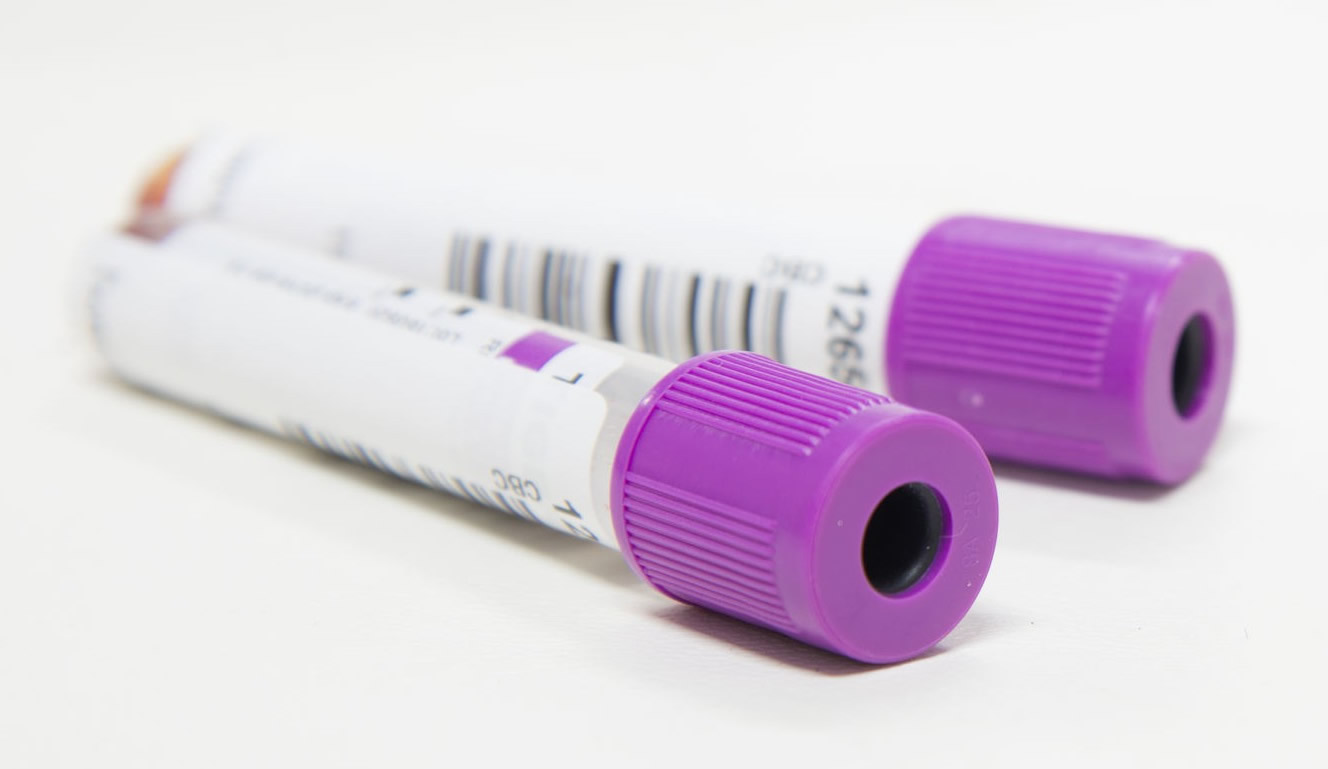
Insurance companies use blood and other health tests as part of their medical exam.
Blood test results, along with other health data gathered during the medical exam, give insurers a clearer picture of the person’s overall health, lifestyle factors and potential medical risks.
Why are these tests important for insurers?
- Risk assessment: The results of these tests provide information into an individual’s risk of developing health problems in the future.
- Premium determination: Based on the assessed risk, insurance companies determine the premiums for life, health, and other types of insurance.
- Eligibility: Some health conditions, may affect eligibility for insurance.
- Preventative care: The results of these tests can encourage individuals to adopt healthier lifestyles and seek appropriate medical care, potentially improving their overall health and reducing future healthcare costs.
What tests to expect:
For general health checks in the context of insurance, expect tests for cotinine, cholesterol, and glucose, along with other assessments like blood pressure and BMI.
- Cotinine: This test detects nicotine use, including tobacco and vaping products, as smoking significantly impacts health and mortality rates.
- Cholesterol: Cholesterol tests measure levels of different types of cholesterol (HDL, LDL, and triglycerides) in the blood. High cholesterol can increase the risk of heart disease and stroke, making it a significant factor in insurance underwriting.
- Glucose: Glucose tests, including fasting blood sugar tests and glucose tolerance tests, help identify diabetes and pre-diabetic conditions. Elevated blood sugar levels are a major risk factor for various health complications.
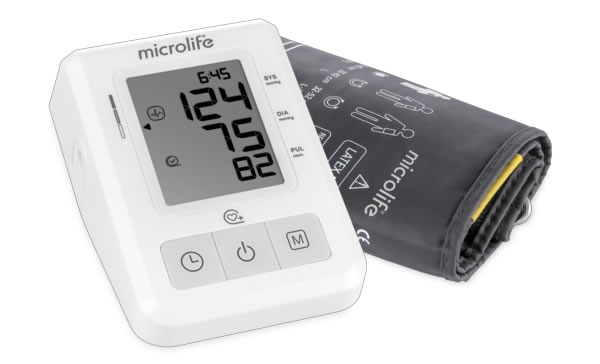
- Blood pressure: High blood pressure, significantly increases the risk of several serious health conditions.
- BMI: Weight and height measurements (for BMI calculation) paint a picture of an individual’s health status and risk profile.