Remarkable Facts About the Human Egg
With regards to female fertility, both egg quantity and quality matters.
The human egg is a non-renewable resource
- A woman is born with around 1 – 2 million potential eggs in the form of ovarian follicles. However, these are all the eggs that the female body will ever have. Female bodies aren’t able to make more egg cells. During puberty this amount is reduced to half.
- After puberty one egg matures each month and is ovulated. Doctors estimate that while a woman ovulates around 400 times throughout her life, she loses up to 1,000 follicles (potential eggs) per month and this loss accelerates as women grow older.
- After the age of 25 a women’s chance of natural pregnancy drops from around 25% to less than 5% at age 40.
Egg quality matters
- In age -related fertility decline, egg count is one factor. The other factor is egg quality. Egg quality is the state of an egg. Is it genetically normal or abnormal. This is the most important factor.
- As a woman ages, the DNA inside her eggs begins to degrade. Due to the fact that all the eggs were created within the body before birth, they are exposed to all sorts of damage. Mostly by unavoidable influences throughout life. Some of these influences include infections, stress, toxins and free radicals. As human cells, including eggs, are fragile, this exposure can lead to damage of the egg cells’ DNA, called chromosomal abnormalities.
- Genetically abnormal eggs result in no pregnancy, miscarriages or genetic disorders of the baby as a woman gets older.
- Once an egg becomes abnormal it cannot be reversed or fixed, as the cell’s DNA is degraded.
Small is plentiful
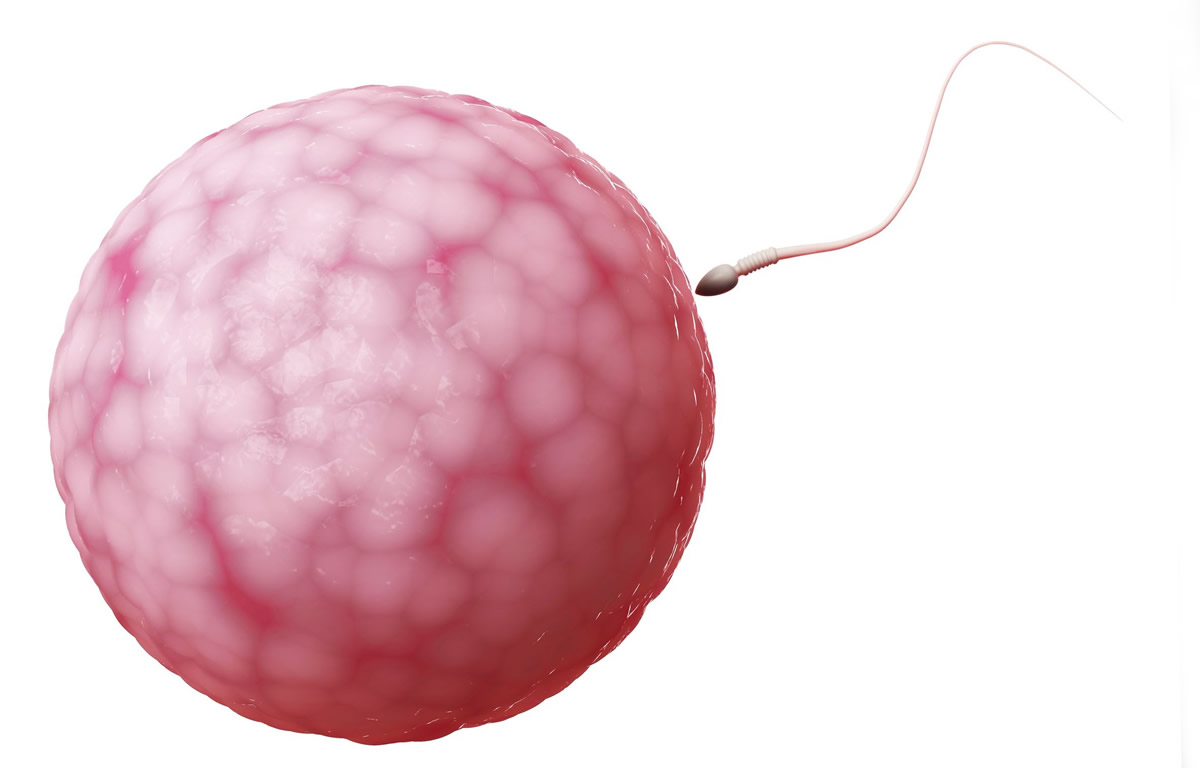
- The female egg cell is the largest cell in the human body. It is about 175,000 times heavier than the smallest cell, which is the male sperm cell.
- The average male ejaculate contains 200 million sperm cells. But only one sperm can fertilize a women’s egg.
- It is not the sperm that races to the egg first that wins the race. In fact, the egg selects the best sperm. Once the egg finds the best sperm, it opens up and takes the sperm in and then closes. The average life span of a sperm cell is about 36 hours.
- As men age, their sperm may become a little sluggish and their DNA a bit more fragmented, but the factory never closes as men produce sperm all day, every day throughout their lives.